
Home / Insights / Mutual fund basics
Rytvae Consulting — AMFI Registered Mutual Fund Distributor (ARN-265474), EUIN E091320
Life Cycle Funds replace solution-oriented schemes
The old “solution-oriented” category — retirement funds and children’s funds — has been discontinued and replaced by Life Cycle Funds. The new structure is more specific about what it does.
What changed
Under the earlier categorisation, "solution-oriented" schemes covered retirement funds and children's funds. The label described a purpose, but the structure behind it varied considerably from one scheme to another, and the purpose in the name did not always correspond to a defined mechanism.
SEBI's February 2026 categorisation circular discontinues that category and introduces Life Cycle Funds — schemes with a stated target maturity and a fixed glide path.
What a glide path actually is
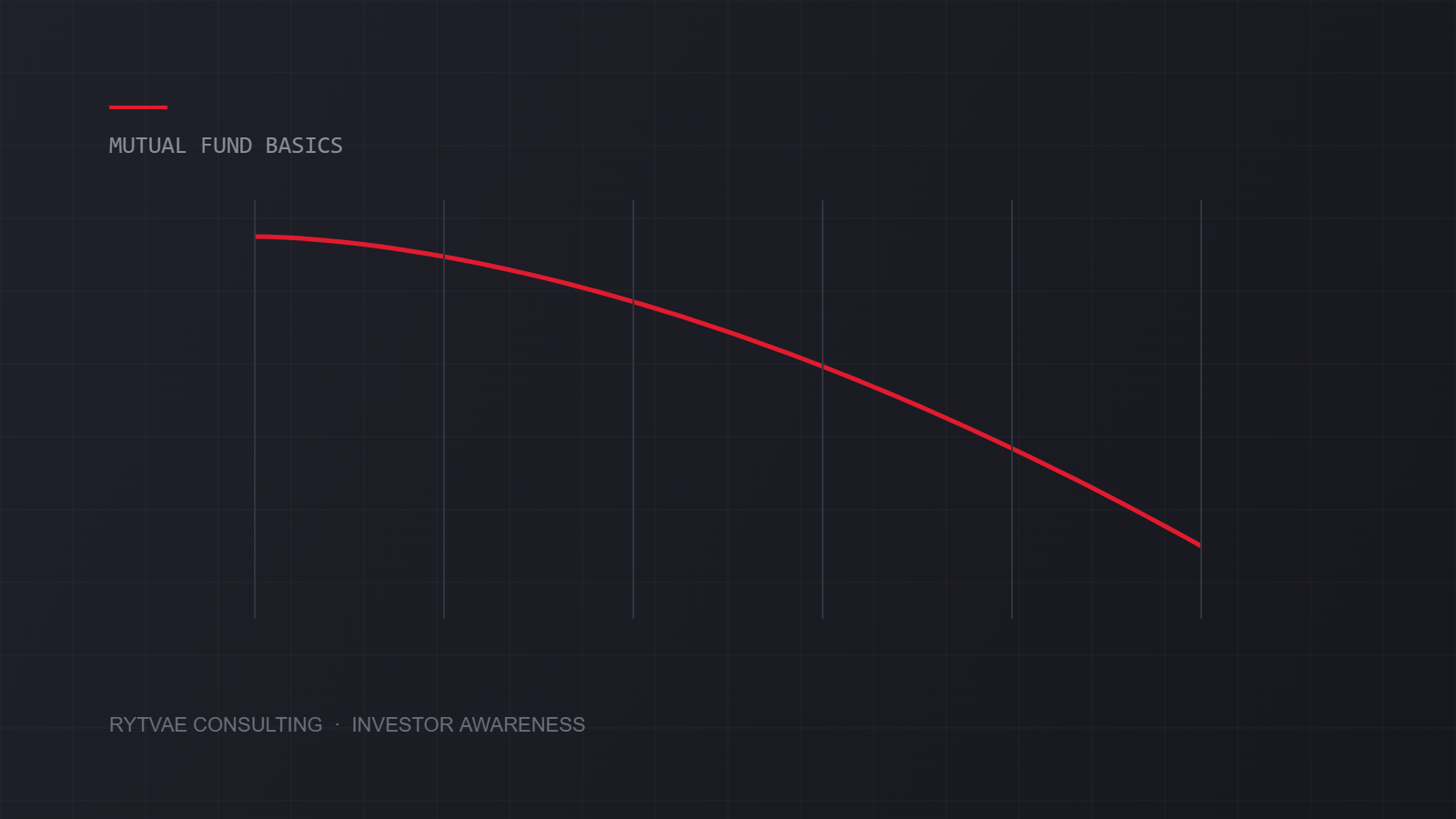
A glide path is a pre-declared schedule for how the fund's asset allocation shifts as it approaches its target maturity date. Typically the equity share is higher when the target date is distant and steps down as it draws nearer, with the fixed income share rising correspondingly.
The important word is fixed. The path is declared in advance rather than left to a manager's discretion, so an investor can see at the outset how the allocation is intended to change over the holding period. That is a structural answer to a behavioural problem: many investors who intend to reduce risk as a goal approaches never actually get round to it.
The target maturity date is the anchor. A fund with a 2040 target is built for money needed around 2040, and its glide path is calibrated to that horizon.
Key highlights
- The solution-oriented category (retirement and children’s funds) has been discontinued.
- Life Cycle Funds replace it, defined by a target maturity date and a fixed, pre-declared glide path.
- Allocation shifts follow the declared schedule rather than manager discretion.
- The change affects a specific segment of investors — those who held solution-oriented schemes.
- Lock-in and other scheme-specific terms continue to be governed by each scheme’s own documents.
Who this actually affects
If you never held a retirement or children's fund, this is background information. If you did, the AMC will have communicated — or will communicate — how your scheme is being treated under the new framework.
It is worth reading that communication properly rather than assuming continuity, for one reason: a scheme bought years ago because its name matched a goal may now sit in a structure with an explicit target date. Whether that target date matches your actual goal year is a question only you can answer, and it is a better question than the one most people ask about such funds.
What to check
- Any AMC notice about a solution-oriented scheme you hold, and what structure it has moved into.
- The target maturity date of any Life Cycle Fund you hold or are considering, against the year you actually need the money.
- The declared glide path in the scheme document, so you know how the allocation is scheduled to change.
- Any lock-in that applied to your original scheme, since those terms are scheme-specific and continue to apply.
Frequently asked questions
What happens to the retirement fund I already hold?
The AMC is required to communicate how your scheme is being treated under the new categorisation. Read that notice — it will state whether the scheme has been restructured, renamed or merged, and what the mandate now is.
Is a Life Cycle Fund the same as a target date fund?
The structure is similar in concept: a stated target maturity and a pre-declared schedule for shifting allocation as that date approaches. The specifics of any given scheme are set out in its own scheme documents, which is where the actual glide path is declared.
Should I use one for my child’s education?
Whether any particular structure suits a particular goal depends on your timeline, your other holdings and your circumstances, so it is not something an article can responsibly answer. What we can do is explain how the structure works against the goal year you have in mind — do get in touch.
Is this article investment advice?
No. It is investor-awareness content. Rytvae Consulting is an AMFI Registered Mutual Fund Distributor (ARN-265474, EUIN E091320) and not a SEBI-registered Investment Adviser. For a personalised recommendation, consult a SEBI-registered Investment Adviser or a qualified tax professional.
Original source
Securities and Exchange Board of India — Circular on Categorisation and Rationalisation of Mutual Fund Schemes, 26 February 2026. Referred to for the factual content of this summary; all credit to the issuing authority.
Read the official releaseRytvae Consulting — AMFI Registered Mutual Fund Distributor (ARN-265474), EUIN E091320. This article is intended solely for investor education and awareness. It is based on publicly available information from official regulatory authorities and should not be construed as investment, legal, tax or financial advice, nor as a recommendation, offer or solicitation to buy or sell any scheme or security.
Rytvae Consulting is a distributor of mutual fund and insurance products and is not a SEBI-registered Investment Adviser; any assistance offered is incidental to distribution. Readers should assess their own circumstances and consult a SEBI-registered Investment Adviser or a qualified tax professional before making any investment decision.
Any figure or illustration shown is hypothetical and for explanation only. No return is assured or guaranteed. Past performance may or may not be sustained in the future and is not a guarantee of future returns.
Mutual fund investments are subject to market risks. Read all scheme-related documents carefully before investing. See our full disclosures and disclaimers.